最新资讯
Latest News














Happy Chinese New Year
HAPPY CHINESE NEW YEAR

This Spring Festival, Wellington College International Hangzhou Primary School went beyond simply "celebrating the New Year". Over three carefully designed days, we brought Chinese traditional culture onto our campus and into the hands and hearts of our pupils.
From the warm glow of traditional lanterns, to the delicate craftsmanship of Chinese knotting, and finally to a whole-school dynasty-themed fair, culture was no longer confined to textbooks. Instead, it came alive through hands-on experience, interaction and creativity.
When tradition is not only taught but touched and truly experienced, it becomes a meaningful part of a child's world.





A Thousand Years of Heritage
Through Traditional Lanterns

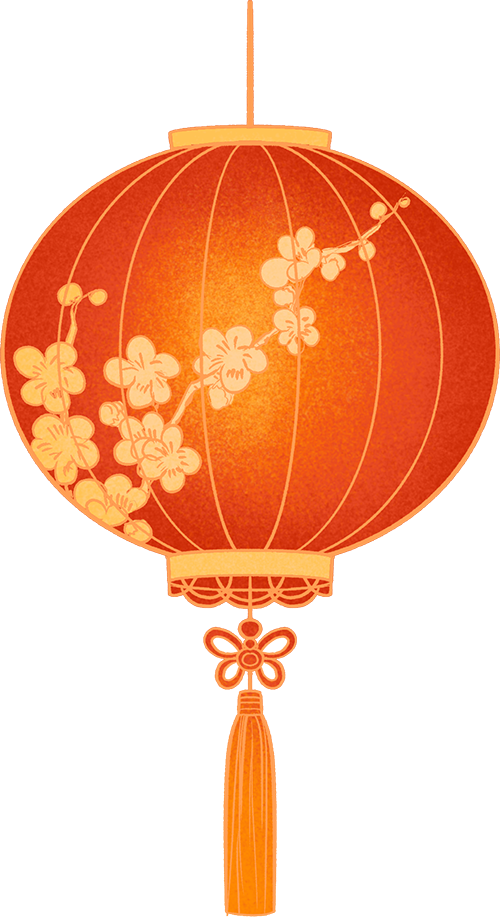
The sense of ceremony that defines the Spring Festival often begins with a single lantern.
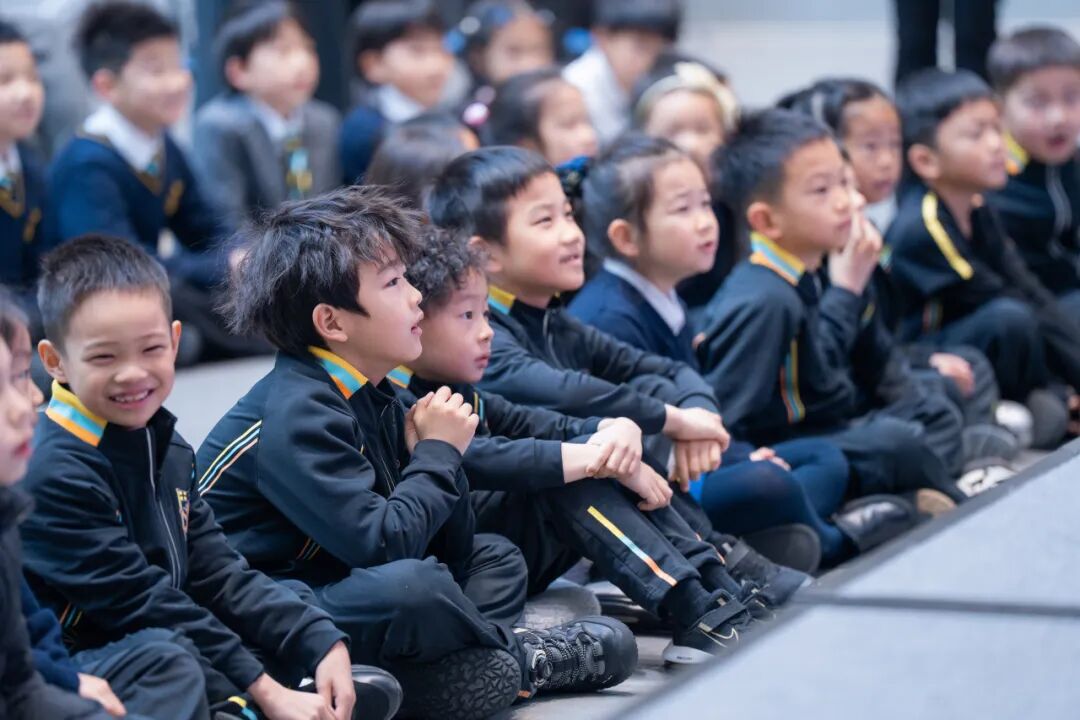
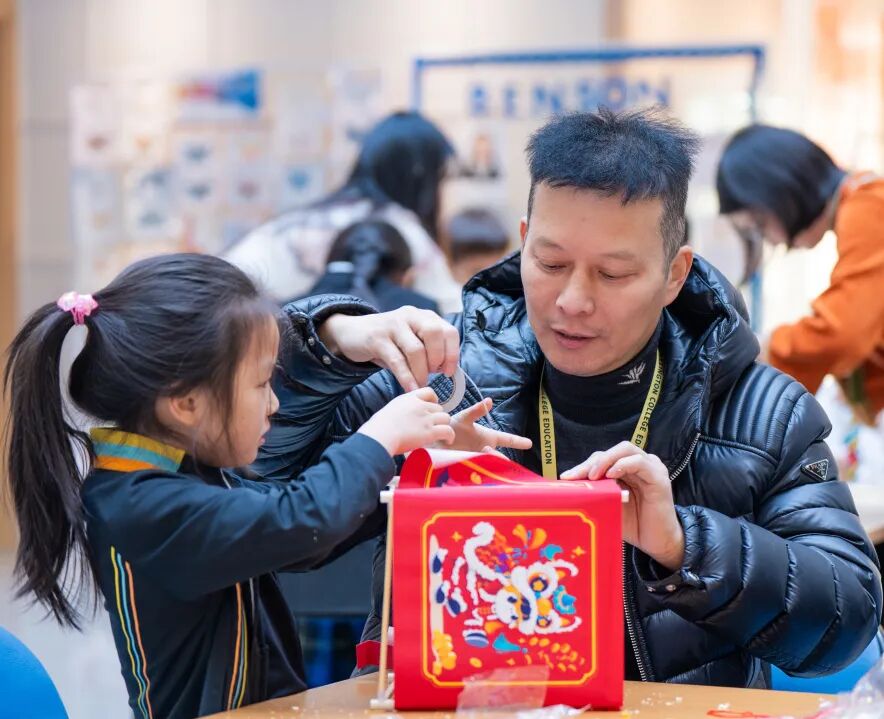
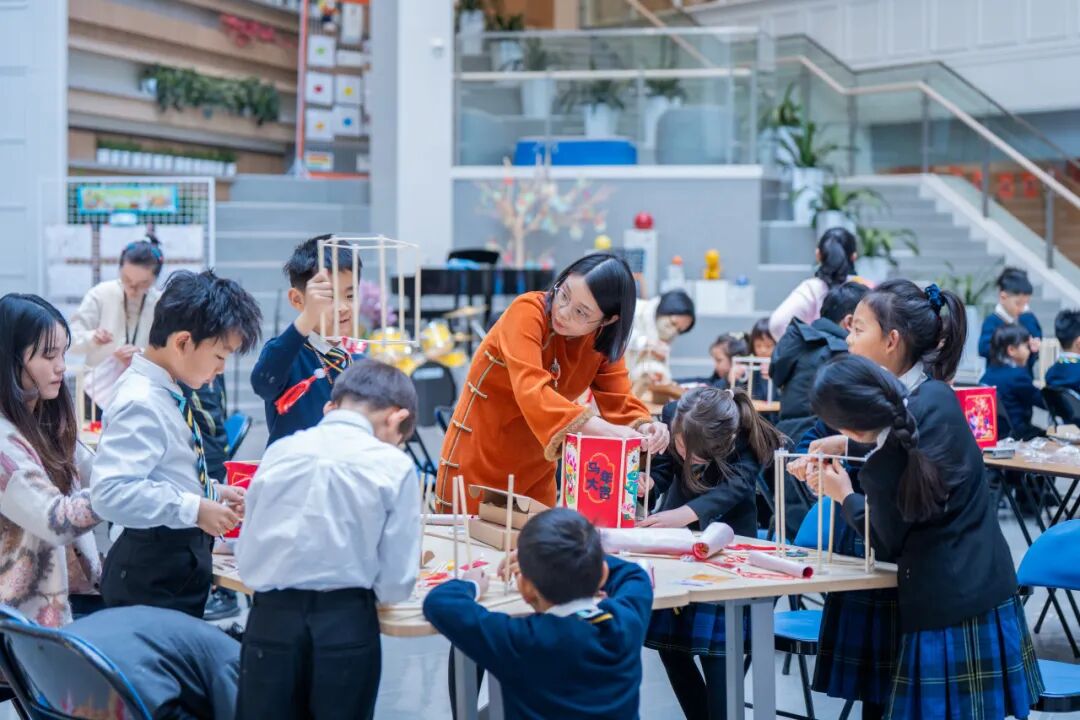
On 9 February, parents and pupils from Years 1 to 3 gathered on campus to share a warm and meaningful "lantern moment".
Our Chinese teachers guided families through the history of lanterns — from their origins as practical lighting tools during the Western Han Dynasty, to their evolution into symbols of reunion and good fortune. From the refined palace lanterns of imperial courts to the rotating lanterns found in folk traditions, each lantern carries the wisdom, values and emotions of Chinese life.
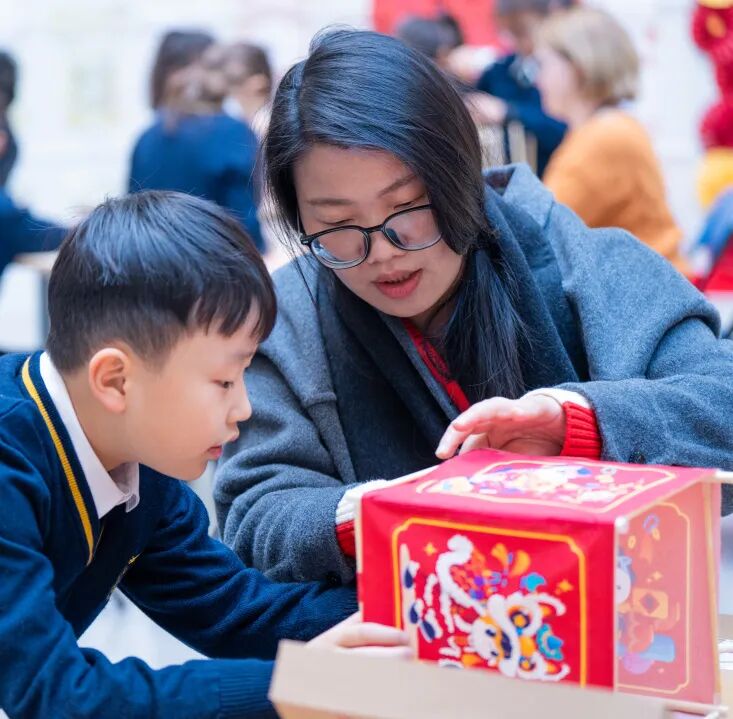
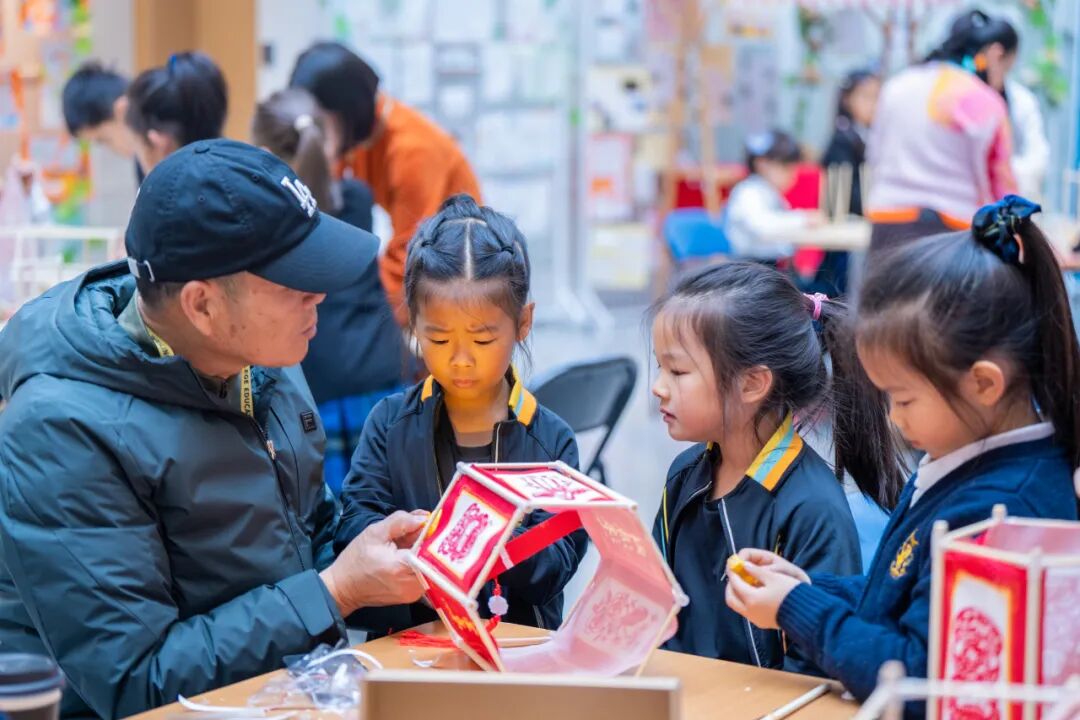
Following this introduction, families worked together to create their own lanterns under the teachers' guidance. As lanterns decorated with traditional patterns were lit, their soft golden glow illuminated smiling faces — and gently sparked pupils' first understanding of the meanings behind reunion and hope.







Auspicious Codes at the Fingertips

If lanterns are the most recognisable visual symbol of the Spring Festival, then Chinese knots are its emotional language. On 10 February, we were delighted to welcome an intangible cultural heritage inheritor of traditional Chinese knotting to campus, offering parents and pupils in Years 4 to 6 an insight into this intricate art form.
In Chinese, the word knot shares a similar pronunciation with auspiciousness. With a single red cord, techniques of looping, knotting, threading and weaving transform simple strands into meaningful forms — such as the Ping Knot, symbolising peace, or the Pan Chang Knot, representing unity and continuity.
As the inheritor demonstrated the complex techniques, parents and pupils followed closely, concentrating on every step. With nimble fingers and patient practice, loose strands gradually took shape as beautifully crafted bracelets. Worn proudly on their wrists, these handmade knots became not only unique Spring Festival gifts, but also a personal and memorable connection with intangible cultural heritage.





A Cultural Carnival for
the Wellington Community

On 11 February, the Spring Festival celebrations reached their peak. The entire Primary School transformed into a vibrant and welcoming cultural playground, filled with laughter, colour and shared joy. At 8:00 a.m., the International School atrium was already full. Pupils, grouped by House, took part in a quiz challenge themed around China's Five Great Historic and Cultural Cities.
From the Terracotta Warriors of Xi'an to the Ming Xiaoling Mausoleum in Nanjing; from Beijing's Forbidden City to the Longmen Grottoes in Luoyang, pupils competed enthusiastically, demonstrating impressive knowledge and teamwork. The House with the highest score earned priority in selecting their city experience activities.
Following the quiz, pupils created their own city-themed souvenirs, capturing their learning and reflections through hands-on design.

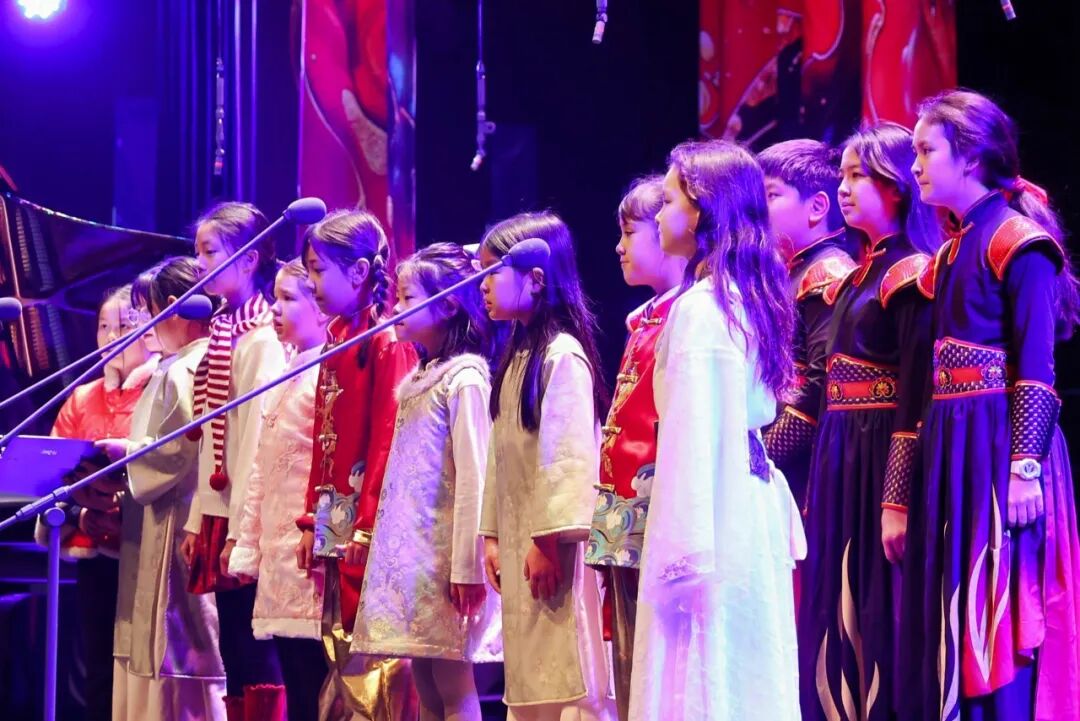
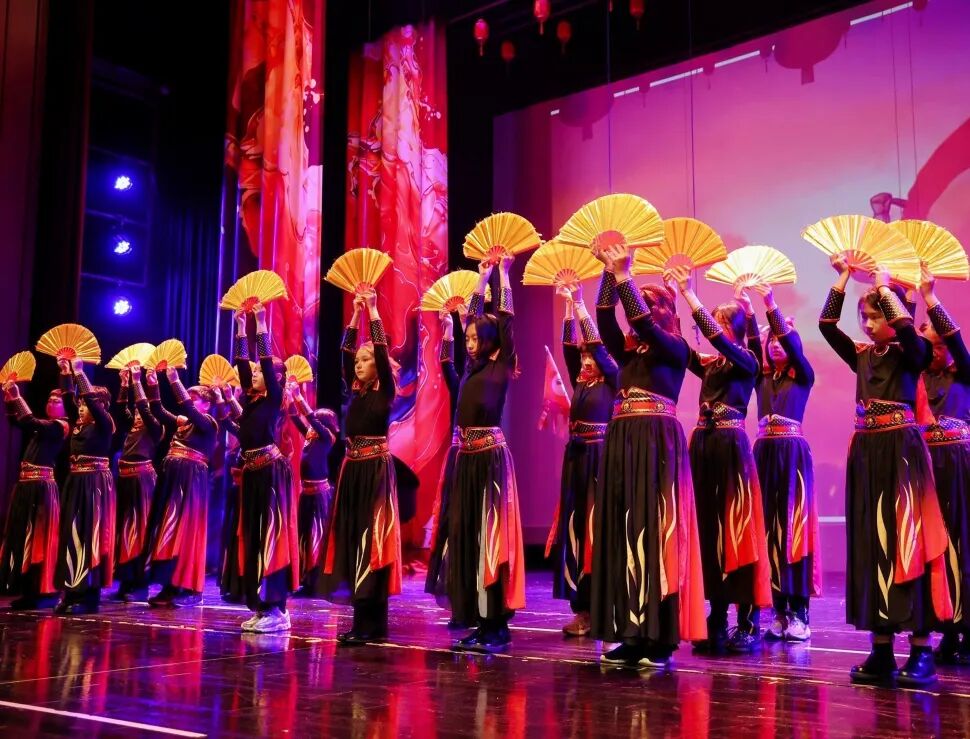
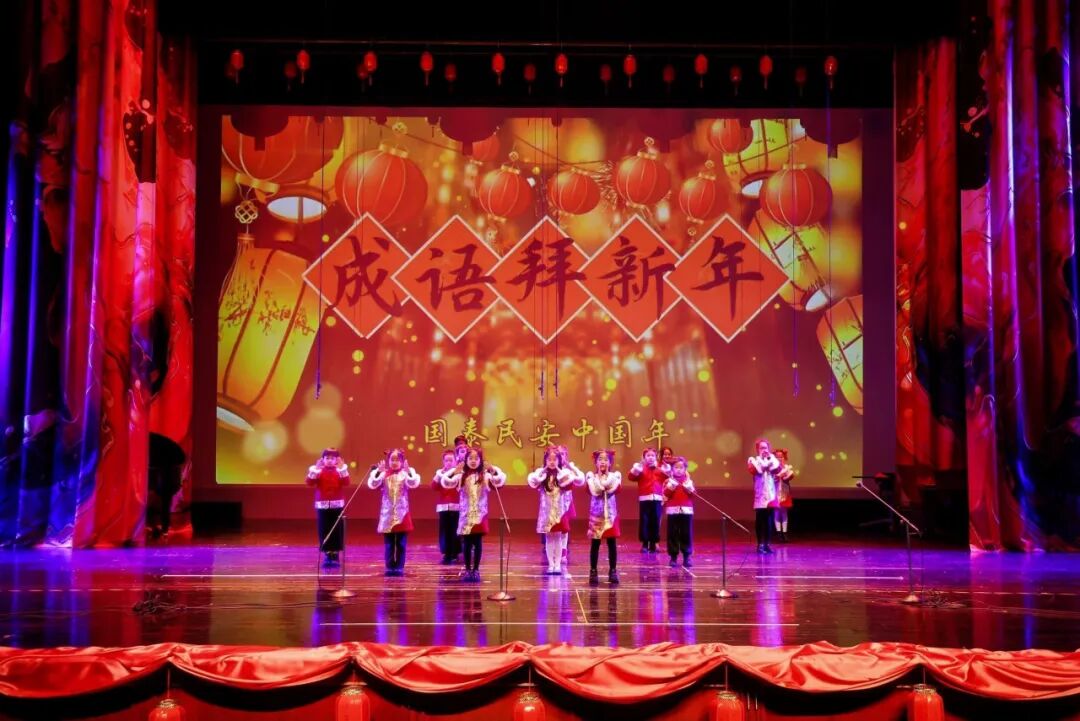
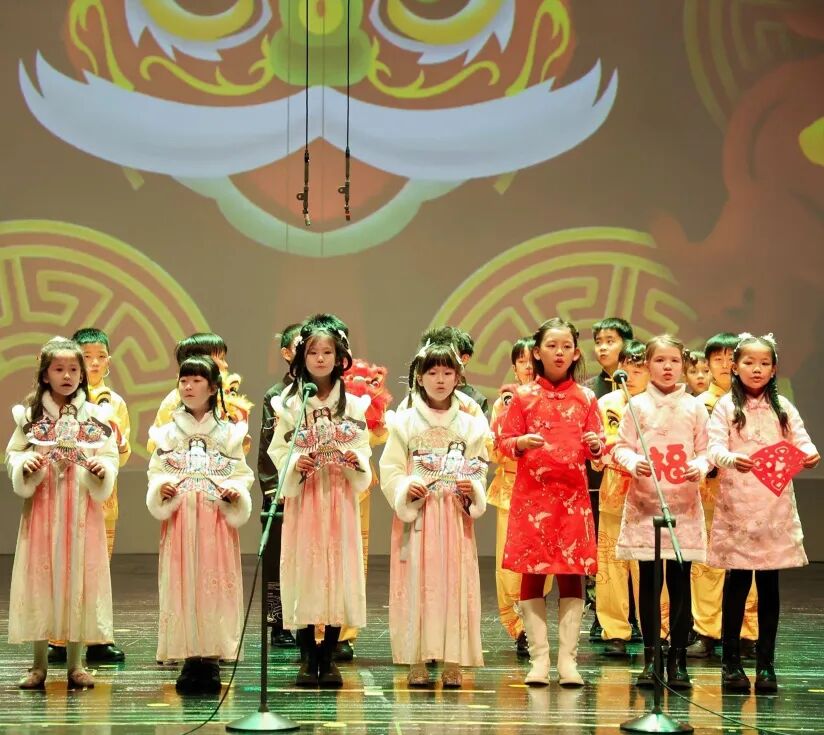
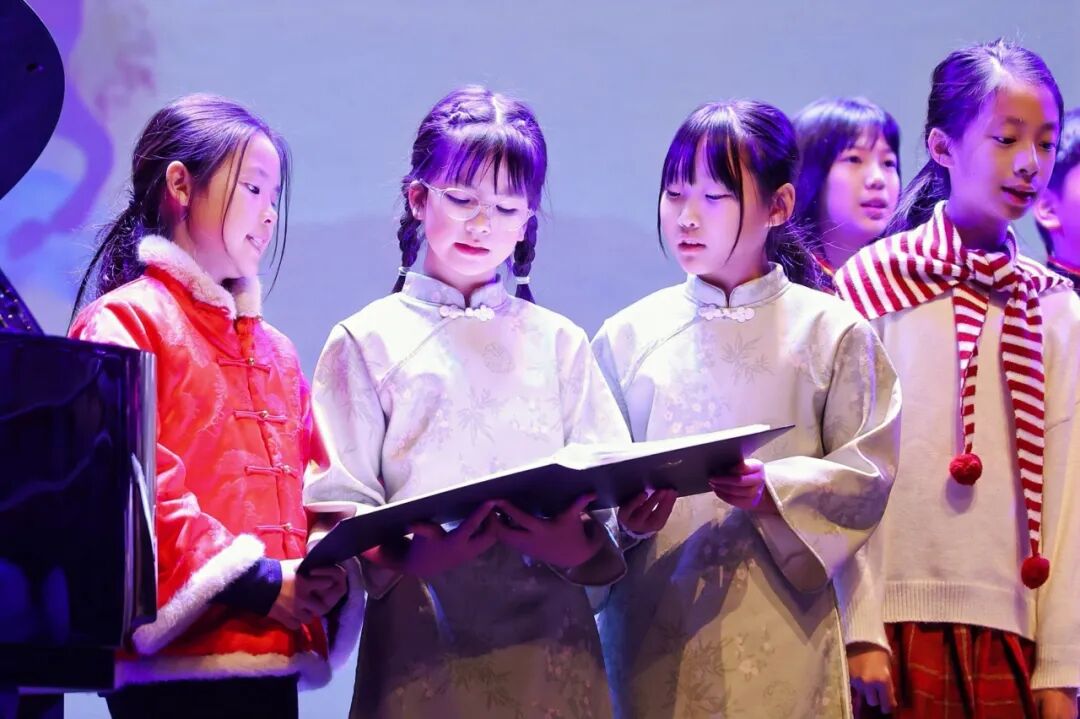

The celebrations then continued in the theatre, where pupils, staff and parents enjoyed a captivating cultural performance. Dressed in festive attire, pupils brought the spirit of the Chinese New Year to life through singing, dancing and recitation. Members of the FOW Choir also took to the stage, their harmonious voices filling the theatre and warming the entire Wellington community.
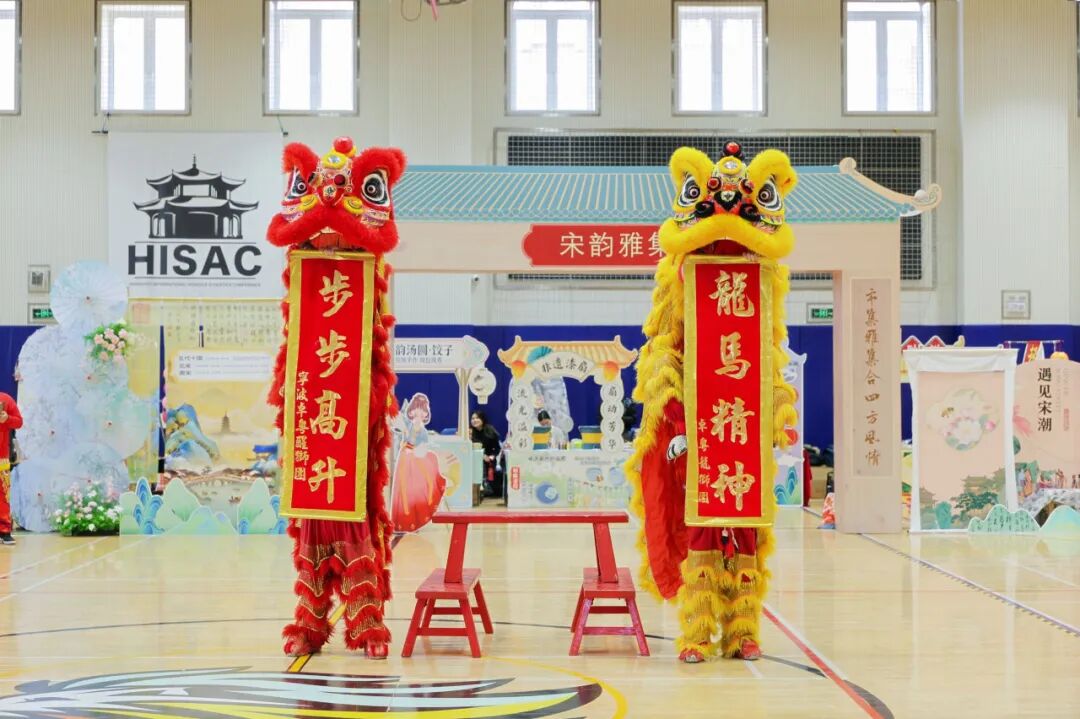
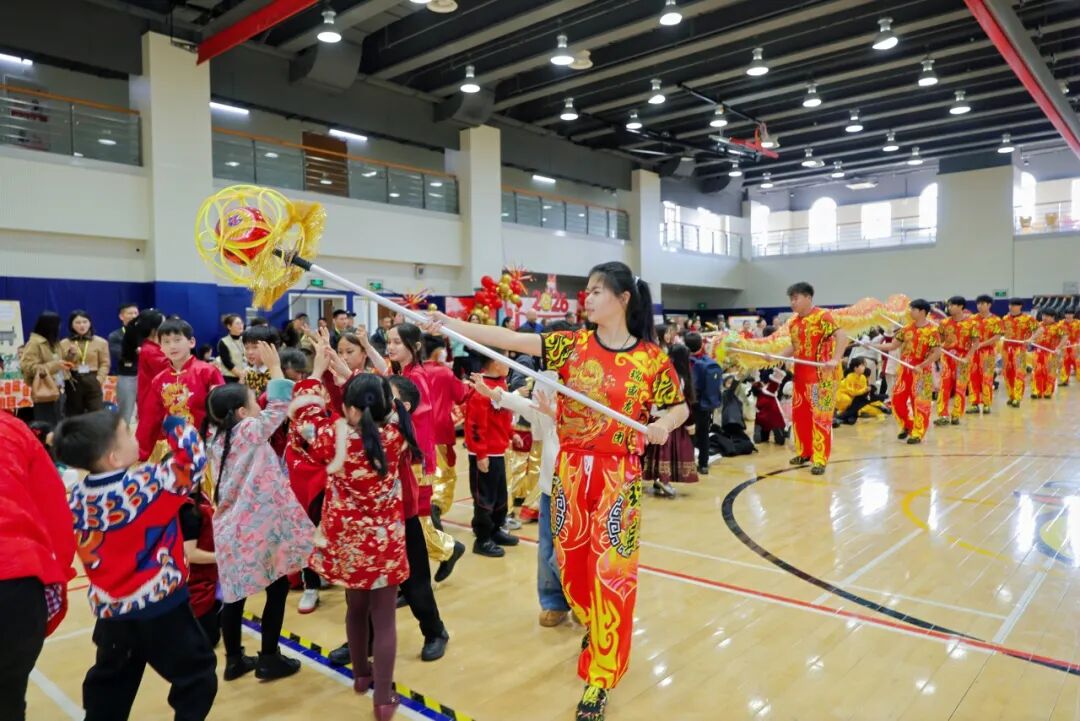
In the afternoon, the campus was energised by the rhythmic beats of dragon and lion dances. Accompanied by dramatic face-changing and acrobatic performances, the Spring Festival Fair officially began.

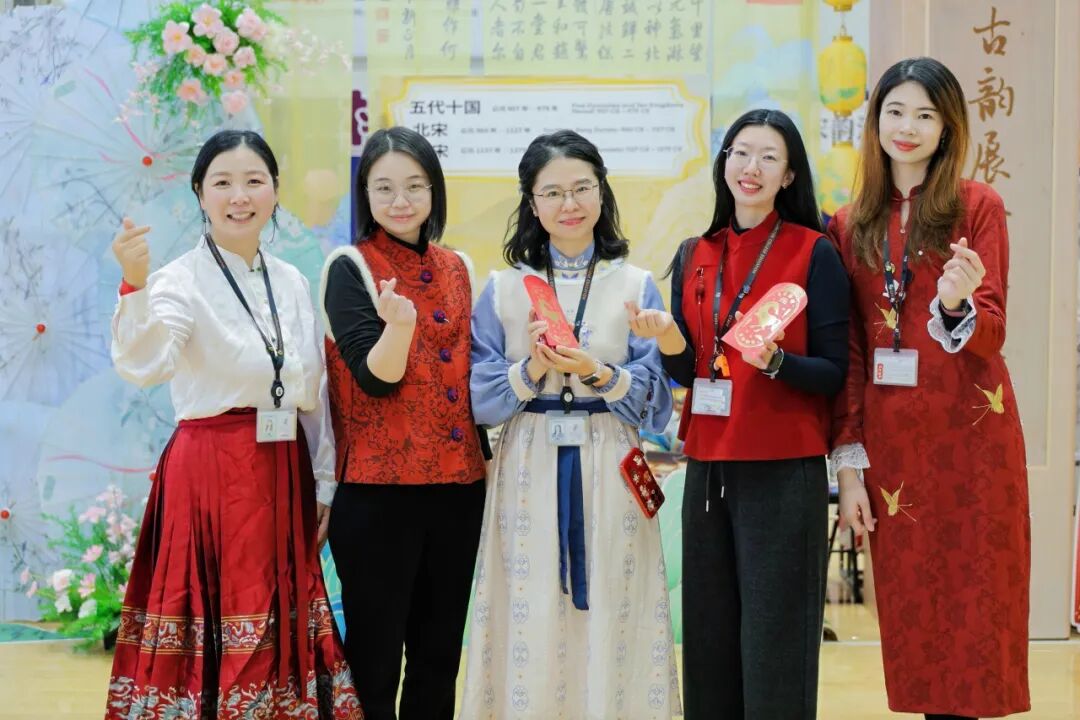
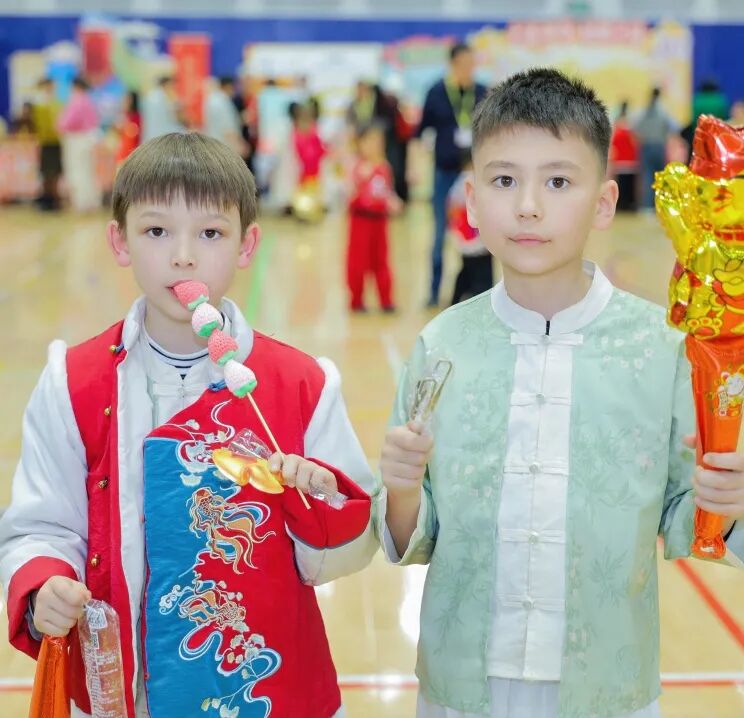
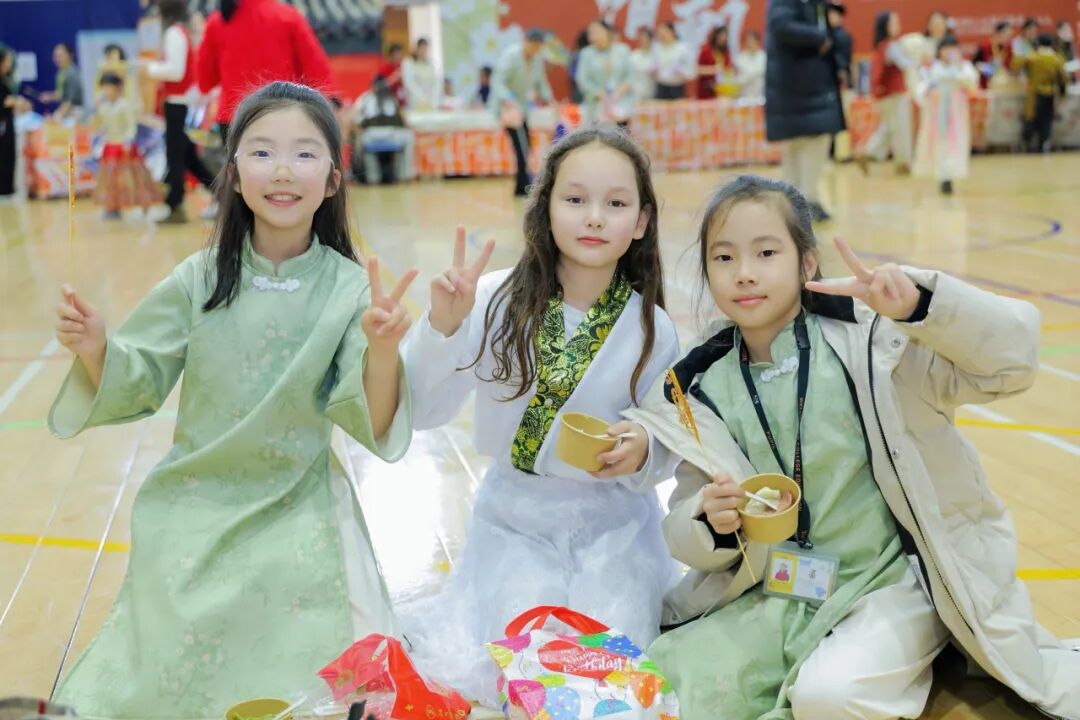
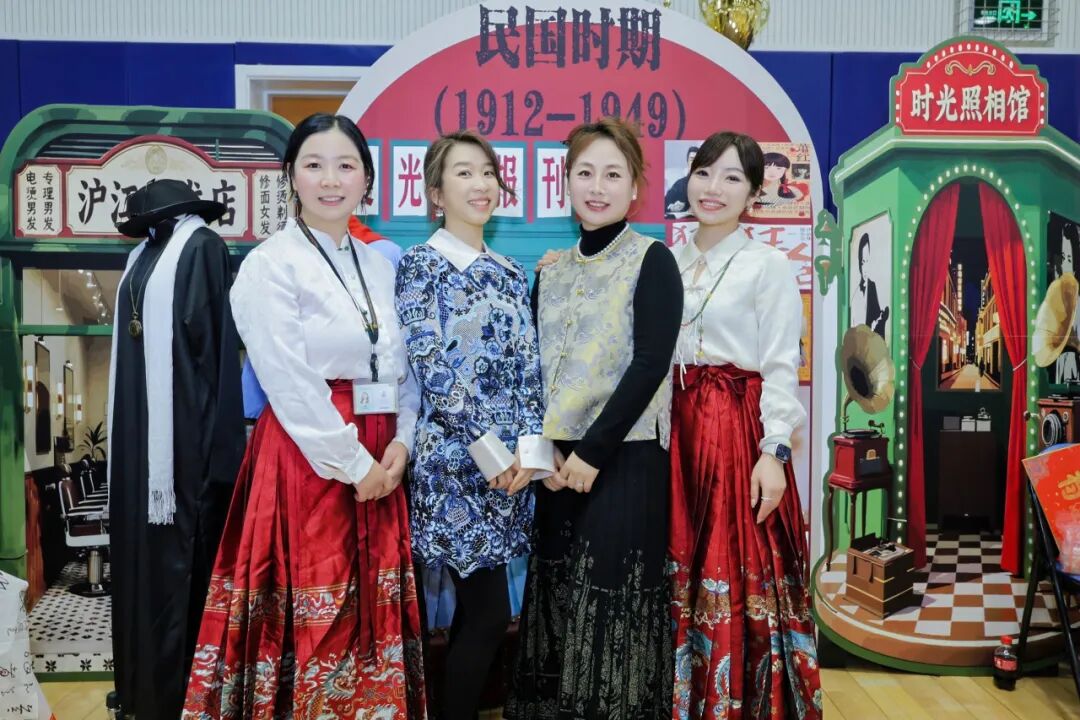
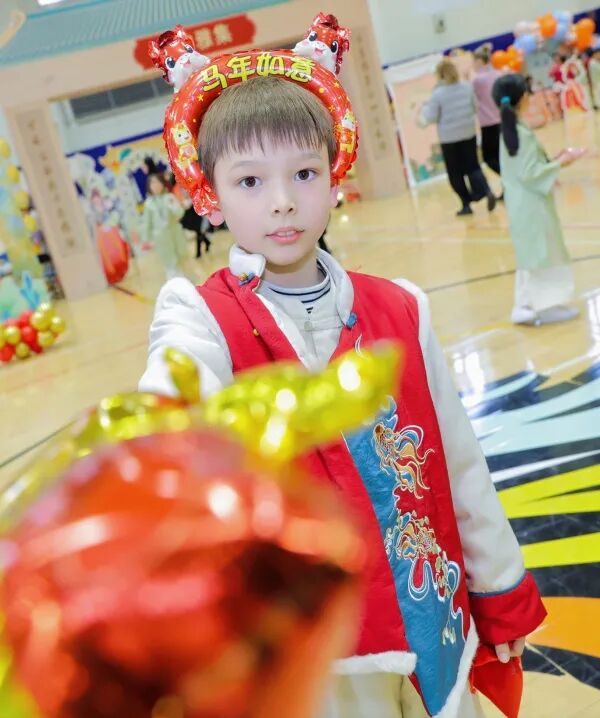
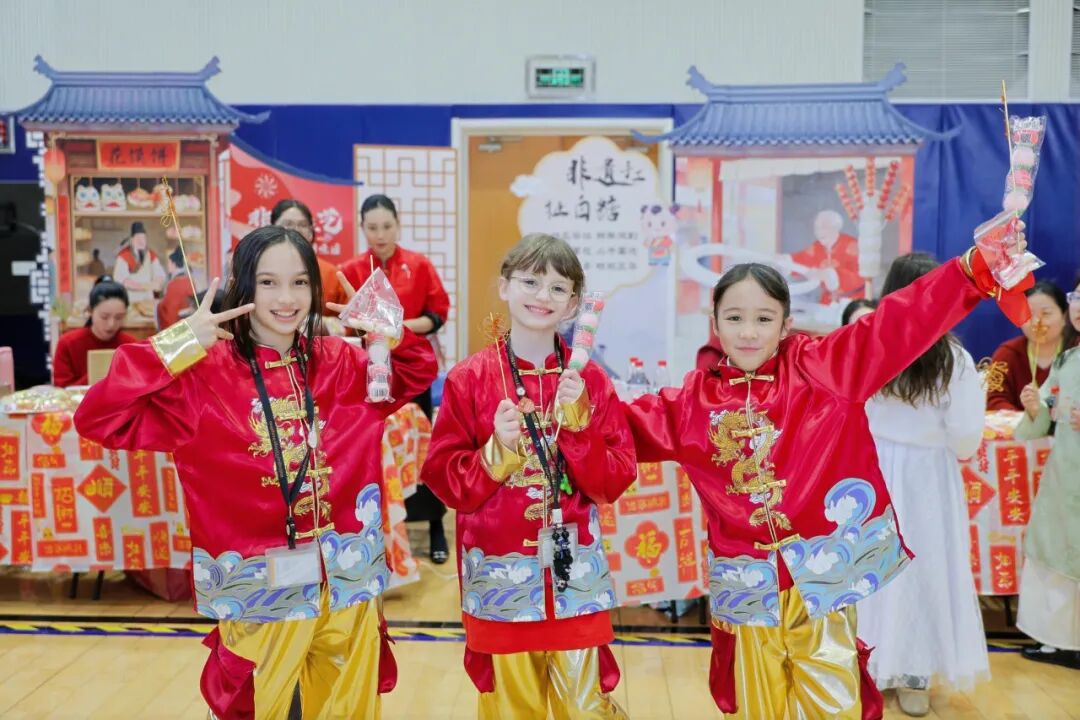
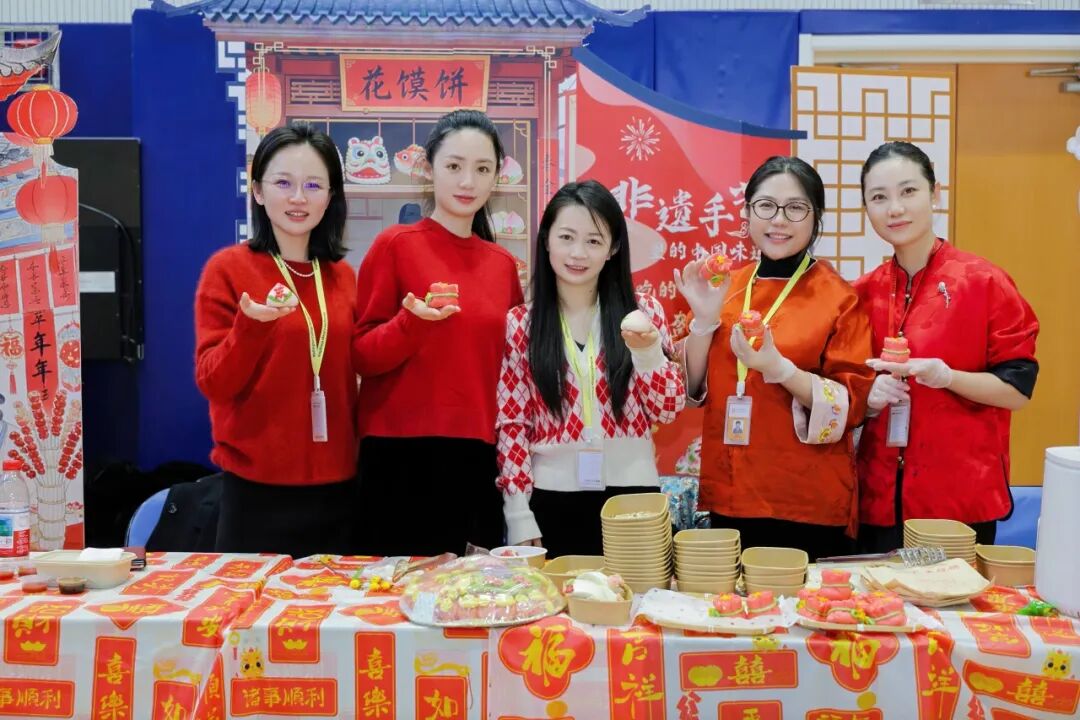
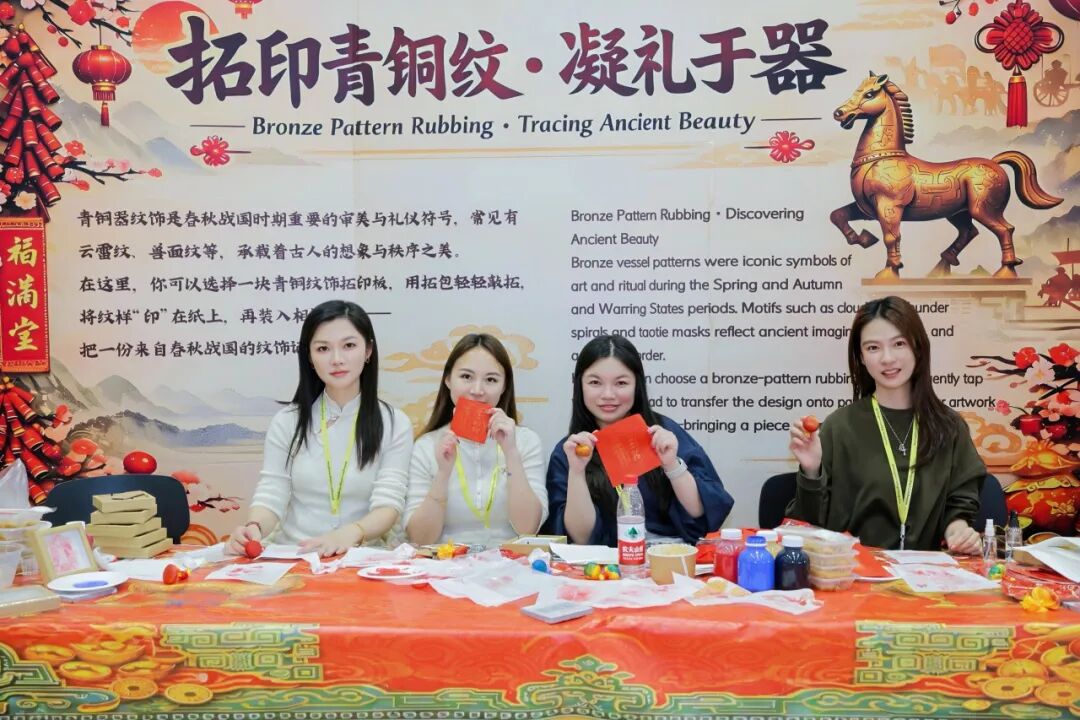
This year's fair featured 40 stalls, all thoughtfully prepared by parent volunteers. Each stall represented a different Chinese dynasty — from the bronze culture of the Xia and Shang periods to the paper-cutting traditions of the Ming and Qing dynasties. Through engaging activities such as touhu (pitch-pot), movable-type printing, and Hanfu photo opportunities, pupils explored history in a lively and immersive way, gaining an intuitive understanding of China's dynastic evolution and cultural continuity.
Thanks to the collective efforts of the Wellington community, the fair became far more than a festive celebration. It transformed into a vivid and meaningful history lesson, where pupils moved freely between "dynasties", discovering the depth and richness of Chinese culture through joy and shared experience.
Although the three-day celebration has come to an end, the seeds of culture have already taken root in our pupils' hearts.
At Wellington, we firmly believe that language learning cannot be separated from cultural understanding. This Spring Festival programme not only immersed pupils in the atmosphere of the season, but also deepened their appreciation and sense of connection to Chinese culture through authentic, hands-on experiences.
We hope that every Wellington pupil will carry this cultural confidence forward — continuing to explore, appreciate and celebrate the enduring richness of Chinese culture in the years to come.


















Happy Chinese New Year
HAPPY CHINESE NEW YEAR
This Spring Festival, Wellington College International Hangzhou Primary School went beyond simply "celebrating the New Year". Over three carefully designed days, we brought Chinese traditional culture onto our campus and into the hands and hearts of our pupils.
From the warm glow of traditional lanterns, to the delicate craftsmanship of Chinese knotting, and finally to a whole-school dynasty-themed fair, culture was no longer confined to textbooks. Instead, it came alive through hands-on experience, interaction and creativity.
When tradition is not only taught but touched and truly experienced, it becomes a meaningful part of a child's world.
A Thousand Years of Heritage
Through Traditional Lanterns
The sense of ceremony that defines the Spring Festival often begins with a single lantern.
On 9 February, parents and pupils from Years 1 to 3 gathered on campus to share a warm and meaningful "lantern moment".
Our Chinese teachers guided families through the history of lanterns — from their origins as practical lighting tools during the Western Han Dynasty, to their evolution into symbols of reunion and good fortune. From the refined palace lanterns of imperial courts to the rotating lanterns found in folk traditions, each lantern carries the wisdom, values and emotions of Chinese life.
Following this introduction, families worked together to create their own lanterns under the teachers' guidance. As lanterns decorated with traditional patterns were lit, their soft golden glow illuminated smiling faces — and gently sparked pupils' first understanding of the meanings behind reunion and hope.
Auspicious Codes at the Fingertips
If lanterns are the most recognisable visual symbol of the Spring Festival, then Chinese knots are its emotional language. On 10 February, we were delighted to welcome an intangible cultural heritage inheritor of traditional Chinese knotting to campus, offering parents and pupils in Years 4 to 6 an insight into this intricate art form.
In Chinese, the word knot shares a similar pronunciation with auspiciousness. With a single red cord, techniques of looping, knotting, threading and weaving transform simple strands into meaningful forms — such as the Ping Knot, symbolising peace, or the Pan Chang Knot, representing unity and continuity.
As the inheritor demonstrated the complex techniques, parents and pupils followed closely, concentrating on every step. With nimble fingers and patient practice, loose strands gradually took shape as beautifully crafted bracelets. Worn proudly on their wrists, these handmade knots became not only unique Spring Festival gifts, but also a personal and memorable connection with intangible cultural heritage.
A Cultural Carnival for
the Wellington Community
On 11 February, the Spring Festival celebrations reached their peak. The entire Primary School transformed into a vibrant and welcoming cultural playground, filled with laughter, colour and shared joy. At 8:00 a.m., the International School atrium was already full. Pupils, grouped by House, took part in a quiz challenge themed around China's Five Great Historic and Cultural Cities.
From the Terracotta Warriors of Xi'an to the Ming Xiaoling Mausoleum in Nanjing; from Beijing's Forbidden City to the Longmen Grottoes in Luoyang, pupils competed enthusiastically, demonstrating impressive knowledge and teamwork. The House with the highest score earned priority in selecting their city experience activities.
Following the quiz, pupils created their own city-themed souvenirs, capturing their learning and reflections through hands-on design.
The celebrations then continued in the theatre, where pupils, staff and parents enjoyed a captivating cultural performance. Dressed in festive attire, pupils brought the spirit of the Chinese New Year to life through singing, dancing and recitation. Members of the FOW Choir also took to the stage, their harmonious voices filling the theatre and warming the entire Wellington community.
In the afternoon, the campus was energised by the rhythmic beats of dragon and lion dances. Accompanied by dramatic face-changing and acrobatic performances, the Spring Festival Fair officially began.
This year's fair featured 40 stalls, all thoughtfully prepared by parent volunteers. Each stall represented a different Chinese dynasty — from the bronze culture of the Xia and Shang periods to the paper-cutting traditions of the Ming and Qing dynasties. Through engaging activities such as touhu (pitch-pot), movable-type printing, and Hanfu photo opportunities, pupils explored history in a lively and immersive way, gaining an intuitive understanding of China's dynastic evolution and cultural continuity.
Thanks to the collective efforts of the Wellington community, the fair became far more than a festive celebration. It transformed into a vivid and meaningful history lesson, where pupils moved freely between "dynasties", discovering the depth and richness of Chinese culture through joy and shared experience.
Although the three-day celebration has come to an end, the seeds of culture have already taken root in our pupils' hearts.
At Wellington, we firmly believe that language learning cannot be separated from cultural understanding. This Spring Festival programme not only immersed pupils in the atmosphere of the season, but also deepened their appreciation and sense of connection to Chinese culture through authentic, hands-on experiences.
We hope that every Wellington pupil will carry this cultural confidence forward — continuing to explore, appreciate and celebrate the enduring richness of Chinese culture in the years to come.